Are you confused by the term "EVA" on shoe labels? It seems to be everywhere. But using the wrong type of EVA shoe can lead to problems.
Yes, EVA is a great material for many parts of a shoe, but it is not perfect for everything. Its main benefits are being lightweight and offering good cushioning1. Its role and weaknesses change if it's used for a slipper, an outsole2, or a midsole. Understanding this helps you buy the right shoe.
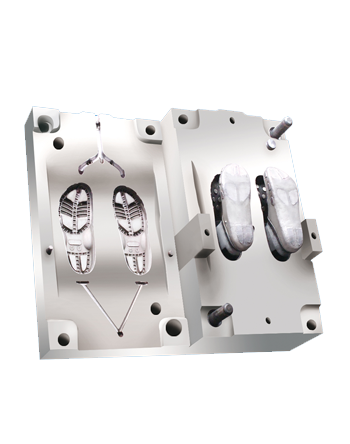
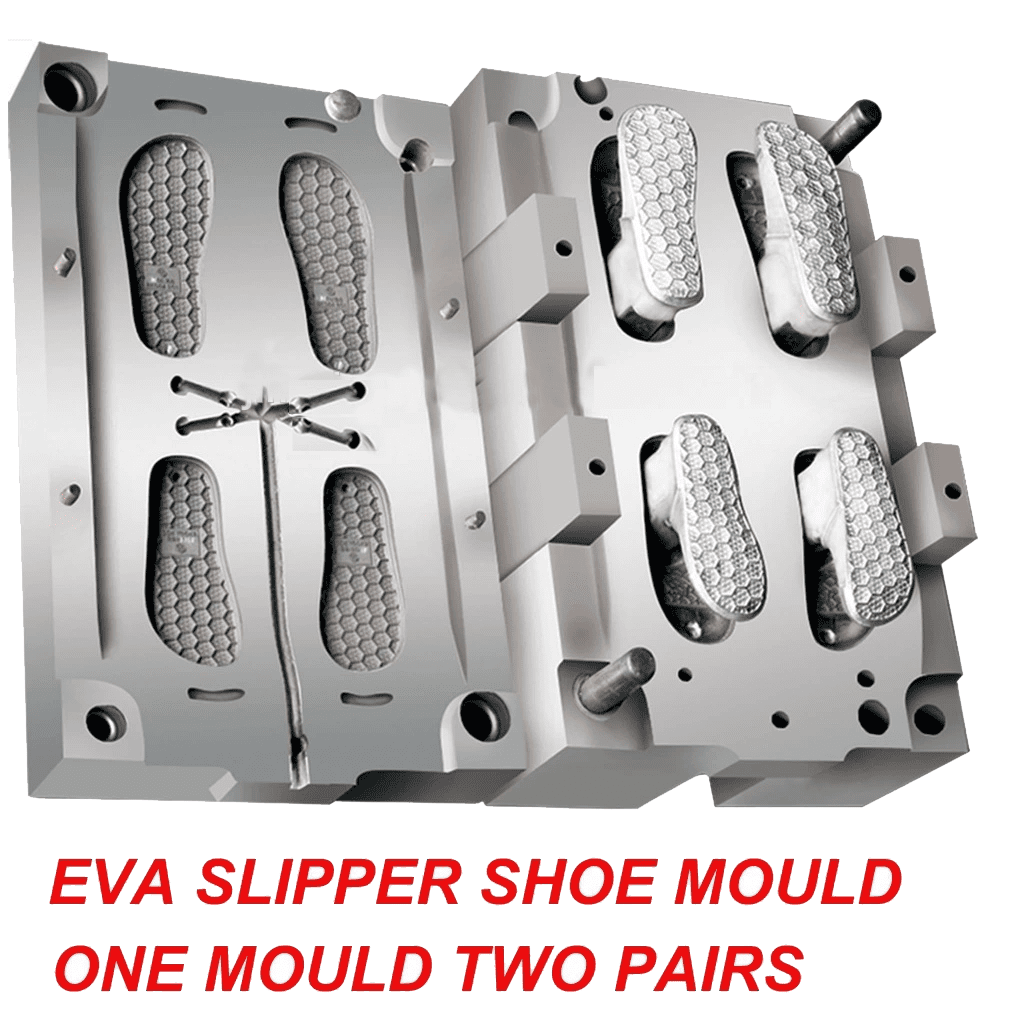
EVA is an amazing material. I have worked with it for years in my shoe mold factory. It's affordable, versatile, and can create incredibly comfortable footwear. But I often see people using EVA shoes in the wrong situations. A material that is perfect for a relaxing slipper is not always great for a supportive work shoe. Let's break down where EVA shines, and where it falls short. This will help you make a smarter choice the next time you shop for shoes.
What Are the Real Pros and Cons of EVA Slippers?
You love the easy comfort of your EVA slippers at home. But wearing them all day, every day might be hurting your feet more than helping them.
EVA slippers3 are perfect for relaxed environments like your home. They are very light and comfortable. But they give very little support or protection. This makes them a bad choice for long walks, work, or most outdoor activities where your feet need more structure.
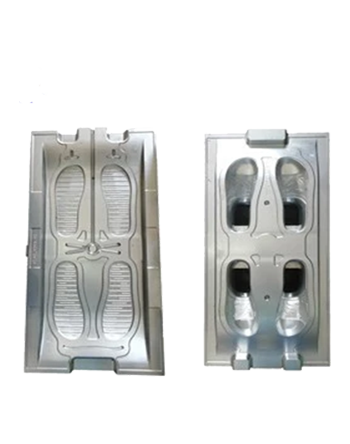
From my experience making slipper molds, I know that an EVA slipper is designed for one thing: casual comfort. The entire slipper, from the upper band to the sole, is often molded from a single piece of soft EVA. This is why they feel so light and easy to wear. The material is also very affordable, which makes it a favorite for everyone. It is a truly people-friendly material.
However, this simple construction is also its biggest weakness. The upper, the sidewalls, and the sole are all quite loose. They don't hold your foot securely. This lack of structure offers almost no protection from bumps or twists. While many EVA slippers are becoming very stylish, I would not recommend wearing them for a full day of walking around town or at work. Your feet need support, and a simple EVA slipper can't provide that. It's best to keep them for relaxing at home or by the pool.
| Feature | Pros (Why We Like Them) | Cons (What to Watch Out For) |
|---|---|---|
| Structure | Very flexible and non-restrictive | Offers no foot or ankle support |
| Weight | Extremely lightweight | Can feel flimsy, lacks protection |
| Best Use | At home, by the pool, short errands | Long walks, work, uneven ground |
| Material | Soft, cushioned, and affordable | Not durable for heavy use |
Is an EVA Outsole the Right Choice for Your Shoes?
You want your shoes to feel light on your feet. But you also worry that a lightweight outsole will wear out too quickly and not provide enough grip.
An EVA outsole4 makes a shoe feel incredibly light and adds a layer of cushioning. The main trade-off is durability and grip. EVA wears down much faster than rubber and can be slippery on wet surfaces. It's best for casual shoes, not for heavy-duty hiking or work boots.
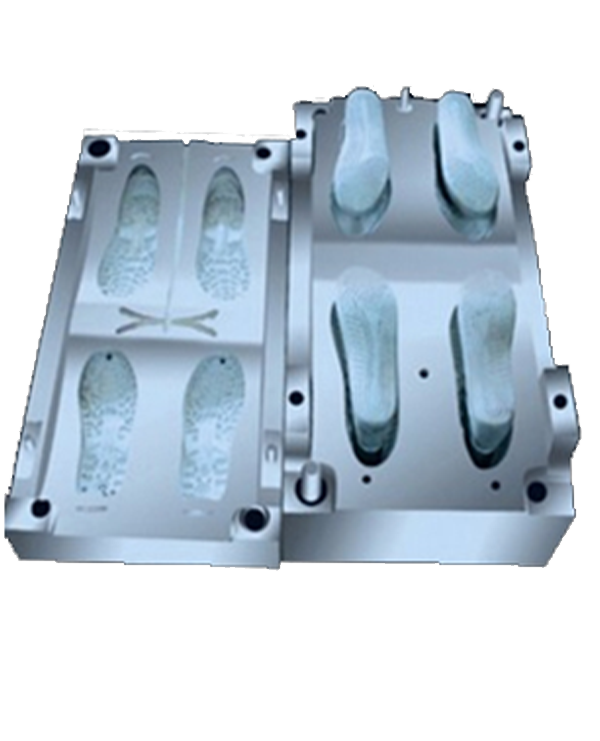
The outsole is the part of the shoe that hits the ground. It needs to be tough. Traditionally, this part is made of heavy rubber. Using EVA for an outsole is a choice that prioritizes weight and comfort. It makes the whole shoe feel less bulky and adds a nice, soft feeling to every step. This is great for a shoe you wear around town.
The problem is that EVA is just not as tough as rubber. It will show wear and tear much more quickly, especially if you walk on rough surfaces like gravel or uneven pavement. It also doesn't grip as well, particularly in wet conditions. But we are seeing progress in the industry. In my factory, we've started using a new technique for our clients. We place a thin, hard plate inside the outsole2 mold before the EVA cools. This adds much-needed stability and improves durability a little bit, without making the shoe heavy. It's a smart fix that addresses one of EVA's biggest weaknesses as an outsole material.
| Property | EVA Outsole | Traditional Rubber Outsole |
|---|---|---|
| Weight | Very Light | Heavy |
| Cushioning | High | Low |
| Durability | Low to Medium | High |
| Grip | Fair (Poor when wet) | Excellent |
| Best For | Casual shoes, sneakers | Hiking boots, work shoes, running shoes |
Why Is EVA So Popular for Midsoles?
You always see "EVA midsole" listed as a feature for running and athletic shoes. But what does that foam layer actually do for your feet and your performance?
EVA is the top choice for midsoles because it gives amazing shock absorption and cushioning in a very lightweight form. This reduces stress on your body. Its main downside is that it gets compressed over time and loses its bounce, so it needs to be replaced more often.

The midsole is the heart of an athletic shoe. It sits between your foot and the outsole, and its job is to absorb the impact of every step. This is where EVA is a true superstar. Its chemical name is Ethylene-vinyl acetate, and it's a foam made of thousands of tiny trapped air bubbles. These bubbles compress when you land, soaking up the shock. Then they bounce back, giving you a little bit of energy return. This combination of lightweight cushioning is why almost every major running shoe brand uses it.
However, nothing is perfect. Over time and with repeated impact, those tiny air bubbles break down. The foam gets permanently squashed and doesn't bounce back as well. This is called "compression set5." The shoe starts to feel flat and less supportive. This is a key reason why you need to replace running shoes regularly. We are also seeing new demands from our clients in the US and Europe. They want higher-end designs with better performance. This means we have to use more complex molds and more advanced EVA formulas. This raises the cost, but the result is a midsole that is more durable and provides better energy return.
| Characteristic | Benefit of EVA Midsole | Drawback of EVA Midsole |
|---|---|---|
| Performance | Excellent shock absorption | Loses cushioning over time |
| Feel | Lightweight and bouncy | Can feel "flat" after heavy use |
| Cost | Generally affordable to produce | Higher-grade EVA costs more |
| Lifespan | Good for 300-500 miles of running | Shorter than heavier materials like PU |
Should Your Next Pair of Casual Shoes Be Made of EVA?
You need a comfortable shoe for everyday errands. But so many stylish options are stiff, heavy, and just not that pleasant to wear for a whole day.
A full EVA casual shoe6, like a clog, is a great choice for a light, comfortable, and easy-to-clean option. But just like slippers, they often lack good support and don't let your feet breathe. This can lead to sweaty feet and instability for all-day wear.

Some shoes take EVA's benefits to the extreme by making the entire shoe out of it. Think of the popular clog-style shoes. From my perspective as a mold maker, these are efficient to produce. We can mold the entire shoe in one piece. This process makes them very affordable and available in many bright colors. For the person wearing them, the benefits are clear. They are unbelievably lightweight, completely waterproof, and you can just wash them off in the sink if they get dirty. They are a big step up from a basic flip-flop.
But you have to be aware of the downsides. Because the material is a non-porous foam, it doesn't breathe at all. Your feet can get very sweaty on a hot day if the shoe doesn't have enough ventilation holes. Also, like the slippers we discussed, the fit can be very loose. They don't provide the same arch support7 or ankle stability as a traditional sneaker built with multiple materials. So, while they are fantastic for the garden, the beach, or a quick trip to the store, they might not be the best choice for a day that involves a lot of serious walking.
Conclusion
EVA is an excellent and affordable shoe material. Knowing its strengths in slippers, outsoles, and midsoles helps you pick the right shoe for your comfort, activity, and budget.
Understanding the benefits of lightweight and good cushioning can help you choose shoes that enhance comfort and reduce fatigue during daily activities. ↩
Discover how the outsole design affects grip and durability for different terrains. ↩
Exploring the pros and cons of EVA slippers will help you decide if they are suitable for your lifestyle and specific needs at home or outdoors. ↩
Learning about the suitability of EVA outsoles for everyday shoes can guide you in selecting footwear that balances comfort with durability. ↩
Understanding compression set in EVA materials can help you maintain your shoes' performance and know when it's time to replace them. ↩
Evaluating full EVA casual shoes for daily wear can help you find comfortable, easy-to-clean options that fit your lifestyle and comfort needs. ↩
Learn about the role of arch support in preventing foot pain and maintaining proper alignment. ↩